हिसाब - किताब
or "तू पैसा-पैसा करती है, तू पैसे पे क्यों मरती है?"

डैडी कहते थे (डैडी माने दादाजी - पापा उन्हें डैडी बुलाते थे तो मैं भी उन्हें इसी नाम से पुकारती थी), डैडी कहते थे कि सौ रुपए में तीस पेट में डालो, बीस शरीर में डालो, दस की करो अय्याशी, और बाकी सब डालो बैंक में। He was 21 when Punjab partitioned and he had to leave everything in Lahore to make everything again in Delhi. He was the second eldest son in the family and hence responsible for everyone’s wellbeing. Money to him was the thing for tomorrow. Even if it was in his hands, it existed in the future. जब घर बन जाएगा तब, जब सबको काम मिल जाएगा तब, जब शादी हो जाएगी तब, जब बच्चे बड़े हो जायेंगे तब, जब बच्चों की शादी हो जाएगी तब, जब पोते पोतियां settle हो जायेंगे तब…
When he passed away, apart from his super soft cotton kurtas, I also inherited what he had earned and deferred to his future. To me. तभी तो उनके जाने के बाद से मेरे जीवन में भी the idea of settling down घर कर गया। दादाजी COVID में गए। उनके जाते ही मेरे मन में “अपना घर” होने की इच्छा तीव्र हो गयी। इससे पहले rent वाला घर भी अपना ही लगता था।
My partner is a maths person. This plays a huge part in my attraction towards him. In the frantic days of creating budgets and coveting balconies, as we searched for the perfect house, I found solace in his ability to make numbers listen to him. His deep voice reciting the current ROI, adjusting the amount we should loan from the bank, fine-tuning the EMI we would pay every month, lulled me to peaceful sleep every night.
I would dream of a small house shaped गुल्लक, blue with a yellow roof. The roof needed to be pulled apart to access the money painstakingly stored inside. It was given to me and my brother to cement the most important lesson we learnt as children - money when not used instantly, and put in this magic box, slowly inflates to fulfil bigger desires. The clink of the coin hitting the metallic box would always sound louder, more important than all the sounds in the house to us. The two rupee note, given by a visiting relative, clutched for hours in our sweaty palms, would be ritualistically opened and folded to fit into the small crack on the roof of the गुल्लक, pushed in with all the faith of two children, who believed that next time when they would meet this note, it would have doubled.
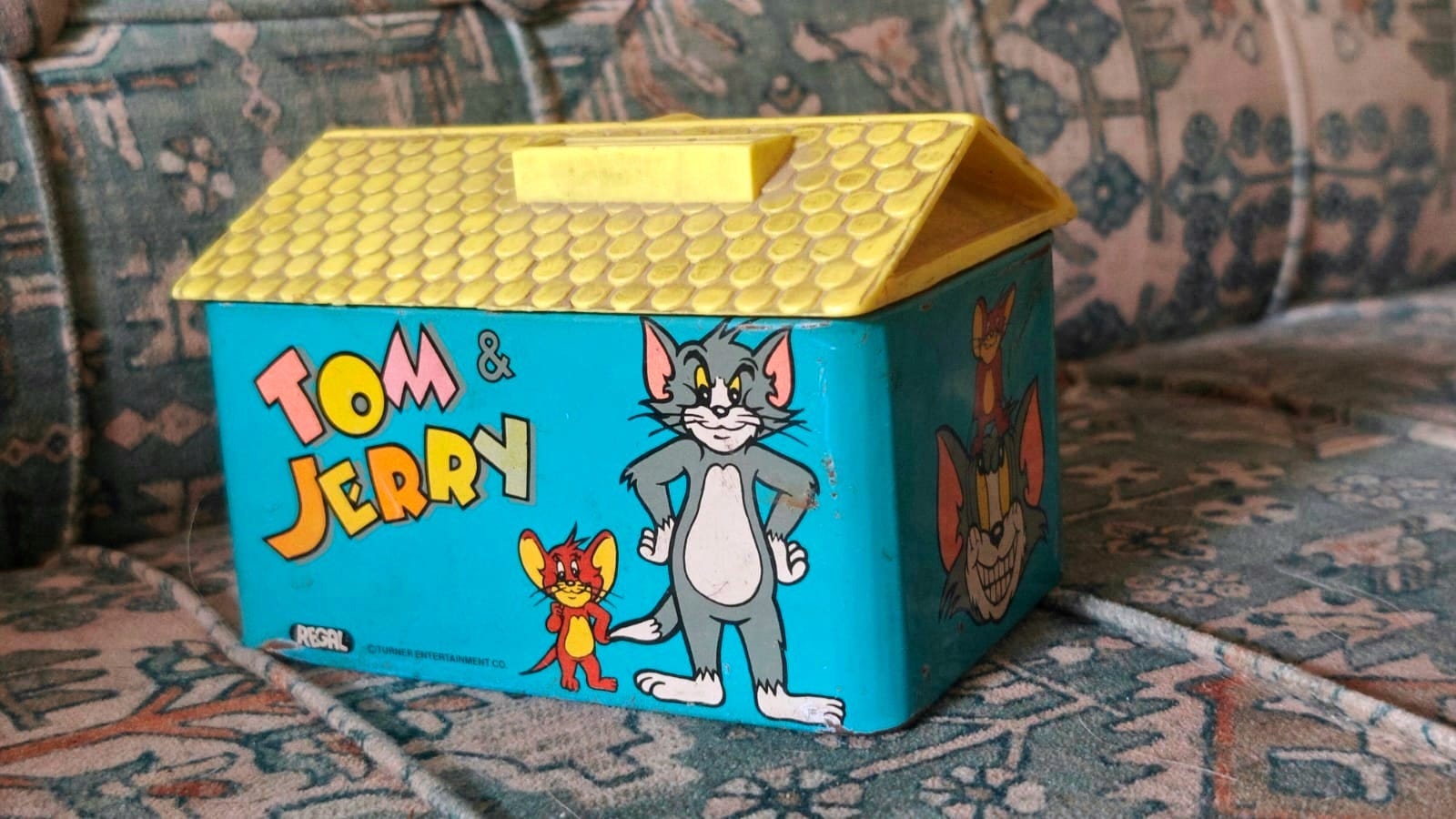
My father loves to invest - in property, in stock market. This is also the advice he has always extended to me - to see money as not as something solid, which exists in someone’s wallet but as something which is an abstraction - forever malleable, always changing. A belief which is shared by my partner. Many of their conversations which I overhear, usually begin with an update on the last investment and a heated discussion on what should be the next one. Each time I listen to them I find myself being drawn into this gigantic swirl of numbers and graphs which excites me because I cannot understand it and excites them because they get to explain it to me, in detail, every time.
My mother has never advised me about money. She has always freely given it. Each time I visit my parents house, I leave with a few notes hastily thrust in my hands. “ ये तेरा दिवाली का, ये पहली बार घर आने का, इसका कुछ खाने का ले लियो, अरे रख ले काम आते हैं!”
Because I have stopped carrying my wallet (who needs it? In my world now, for everything there is UPI. As long as there is internet, I will not go hungry), I end up putting the notes in whichever bag I happen to be carrying on that day, or cramping them in my pocket, and then forgetting about it. They resurface weeks or sometimes months later, when I happen to get in to that same attire again.
It is a habit that I have picked up from my mother. Hers is a more systematic approach. For instance, she never forgets where she keeps her tiny bundles of cash. उनका कहना है कि पैसा लक्ष्मी का रूप है and by spreading it around us, we are putting ourselves constantly in her company. Lakshmi, the goddess not just responsible for showering her devotees with wealth, but also shelter, food and other worldly comforts. Comforts which were not available to my mother when she was growing up.
Maybe that is why she has never been as flamboyant in her relationship with money as my father has been. For her money is real, tangible, needs to be treated with reverence and hence, needs to be accounted for.
She has a notebook. She gets a monthly allowance from my father for her expenses. Her notebook is a meticulous record of how exactly each rupee has been spent. हर बार खर्चा करके बैठ जाती हैं मां notebook लेकर, और भर देती हैं उसमें वो जरूरतें जो उस दिन पूरी हो गईं। सब्ज़ी, आटा, water bottle, maid की salary, Dhwani का birthday gift, हमारे doggy की दवाई, पापा की shirt, भाई के जूते, बालों के shampoo, गालों के cream - क्या क्या नहीं है मां की उस किताब में। एक ऐसा हिसाब जिसका कोई छोर नहीं है। एक नंबर दूसरे नंबर में घुलता हुआ। हमारी जरूरतों, हमारी चाहतों का एक museum हो जैसे। Endless and endlessly repetitive. अरे कितनी भूख लगती है हमें? अभी तो दस किलो चावल आए थे! इतनी जल्दी कौन खा गया? हम सभी रहते हैं मां की किताब में। हमारे सारे रूप और सारी उम्रों का घर है वो।
जैसे ही एक भर जाती है, मां उसे निकल देती हैं और भरने लगती हैं एक नई किताब। पर मुझे लगता है यह सारी किताबें, समय और जगह की तह से परे, मिल रही होंगी कहीं। इकट्ठा हो रही होंगी। कहीं तो जुड़ रहा होगा जो भी अभी तक हमारे जीवन में बीता है? वो सब, जो तब बहुत बहुत ज़रूरी था? वो सब जो अब याद नहीं?
आँखें बंद करती हूं तो दिखती है एक रद्दी की दुकान। आज से कई सालों बाद आता है वहां कोई। किताब के हिसाब में दिख जाते हैं उसे हमारे परिवार के सारे सच।
और ऐसे ही, हजारों साल के बाद भी, मेरी मां की handwriting में हम जिंदा रहते हैं।
Read this a second time and even now your mother's notebook is my favorite part of this essay! Thank you for the warm shoutout and overall lovely, multilingual writing you always gift us.
Loved reading this when you wrote it. Love reading it now. Would also love to hear it in your voice!